

The Building Blocks of Community: Strengthening Social Bonds through the Public Realm
The strength of a community lies beyond its buildings, streets, and infrastructure. It comes from a connection between residents, business owners, and community institutions; a connection between real people that fosters belonging, builds trust, and enables communities to respond to challenges and shape their collective futures.
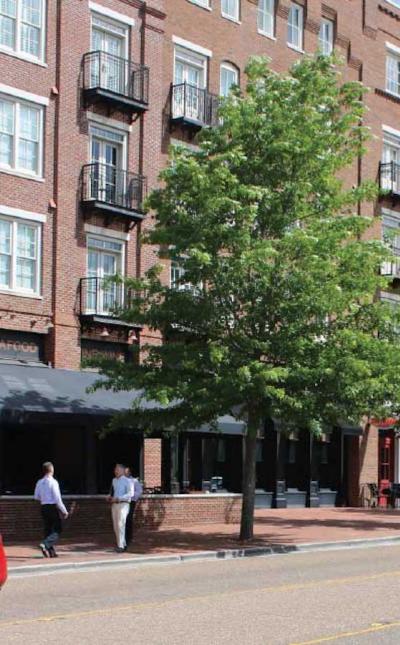
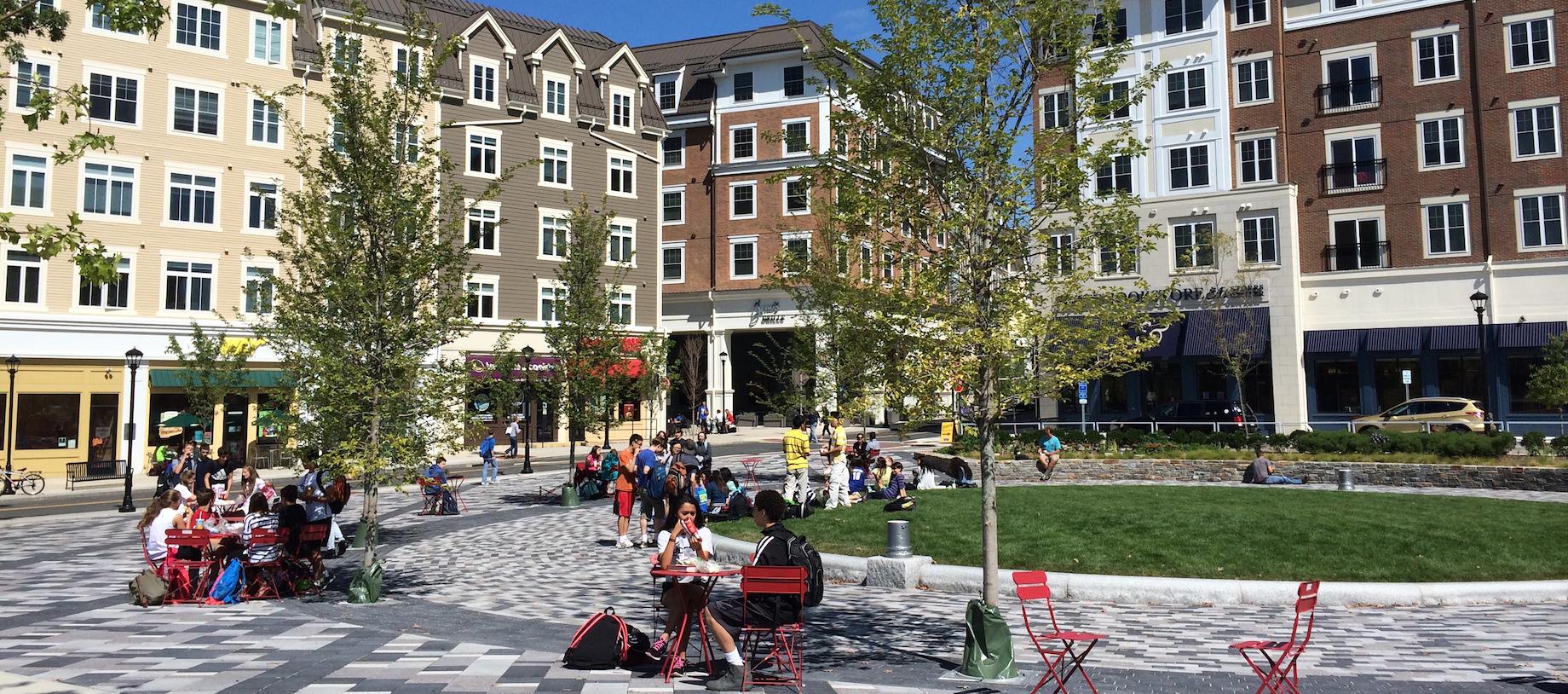
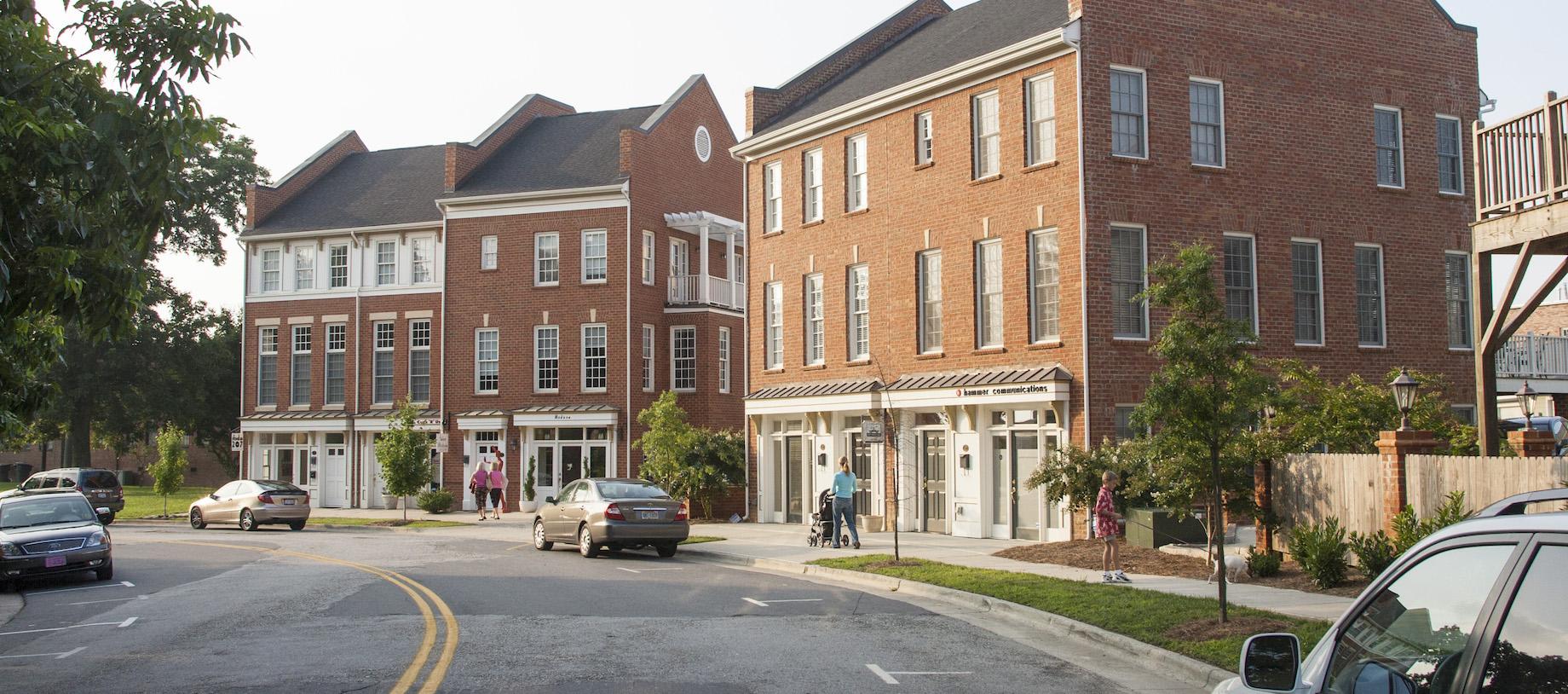
While a strong social infrastructure can be built anywhere, new urbanists know that the built environment has a huge impact on community connection. In fact, the places where these connections naturally take root are essential to community life. Streets, sidewalks, parks, squares, civic spaces - the spaces between buildings - form the public realm and are the physical foundation of our social infrastructure. When thoughtfully designed and accessible to all, these shared spaces encourage community interaction, strengthen social bonds, and create opportunities for civic life.
At CNU 35, we will explore the public realm as a foundational building block of strong, connected, and resilient communities.
Learn more about why we have a Congress focus here.
The Twin Cities of Minneapolis and St. Paul provide a compelling setting for this conversation. The experiences of these communities have brought national attention to questions of justice, democracy, and belonging, underscoring the importance of public spaces in shaping community identity, fostering civic participation, and building trust. With this Focus at CNU 35, we build on the knowledge gained at CNU 34 when we heard from expert designers and researchers who explicitly spoke of the impact that social infrastructure has on climate resilience, mental health and wellbeing, and economic opportunity.
The Charter of the New Urbanism states that a primary task of all urban architecture and landscape design is the physical definition of streets and public spaces as places of shared use. Public space is not a byproduct of good urban design, it is the intended outcome.
CNU 35 challenges us to consider not only how we design and build communities, but how the places we create strengthen the relationships that sustain them.
The CNU 35 Focus in the Program
Creating a strong public realm requires more than good design. It demands collaboration among the disciplines that shape our communities, including urban planning, architecture, landscape architecture, transportation engineering, real estate development, public policy, community development, and civic leadership.
For decades, conventional development practices, disconnected land-use policies, and automobile-oriented infrastructure have fragmented communities and diminished the quality of public spaces. Addressing these challenges requires us to move beyond professional silos, reconsider established practices, and place the shared public realm at the center of community planning and investment. The urgency could not be stronger in our local host region, and at this particular moment in history.
Sessions will examine how the planning, design, development, and stewardship of the built environment can strengthen social connections and foster more inclusive, vibrant, and resilient communities. We will explore questions such as:
- Designing for Social Connection: How can the physical form of streets, neighborhoods, civic spaces, and building frontages encourage social interaction, strengthen community identity, and foster a sense of belonging?
- Reclaiming the Public Realm: How can communities transform automobile-oriented streets, disconnected neighborhoods, and underutilized spaces into welcoming places that prioritize people and shared civic life?
- Connecting Design and Community Resilience: What role does the public realm play in strengthening social networks, supporting local problem-solving, and helping communities respond to economic, environmental, and social challenges?
- Rethinking Transportation Planning, Engineering, and Street Design: What changes to street design standards, transportation policies, and infrastructure investment priorities are needed to balance mobility and access with walkability, human-scaled design, and vibrant community life?
- Advancing Inclusive Public Spaces: How can planning, design, and public investment create places that are accessible, welcoming, and meaningful to people of different ages, abilities, backgrounds, and incomes?
- Breaking Down Professional Silos: How can planners, designers, engineers, developers, public officials, and community organizations collaborate to create a coherent public realm rather than a collection of disconnected projects?
- Aligning Policy, Investment, and Design: What changes to zoning, transportation standards, development regulations, financing, and public investment are needed to make connected, human-scaled communities easier to build and sustain?
- Learning from Implementation: What can successful projects, emerging practices, and lessons from unsuccessful efforts teach us about creating and maintaining public spaces that support vibrant community life?
- Working within Market Restrictions: How can we strive to build beautiful, well-functioning spaces while dealing with the very real demands of capital financing and market response?