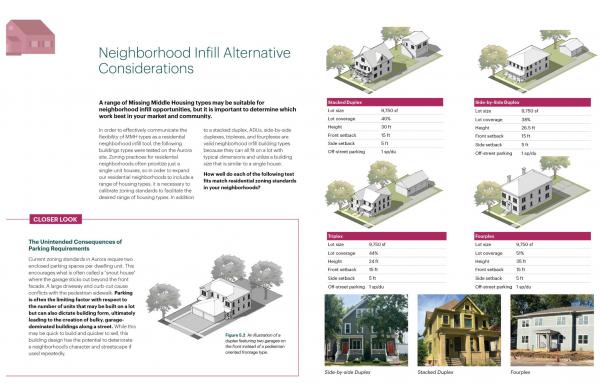
If Missing Middle Housing is to be built at a scale that will go far toward solving our housing problems, we need regional thinking and this toolkit fits the bill.
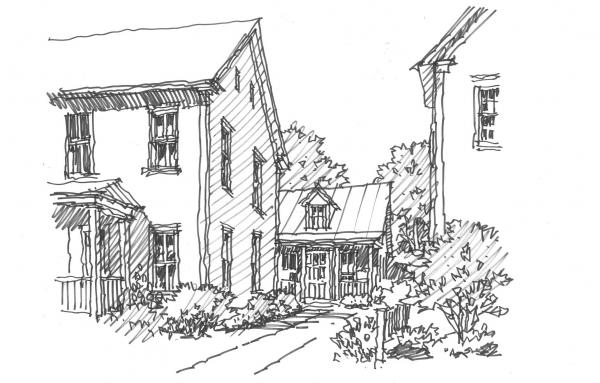
Let's put production housing to work solving the housing crisis.
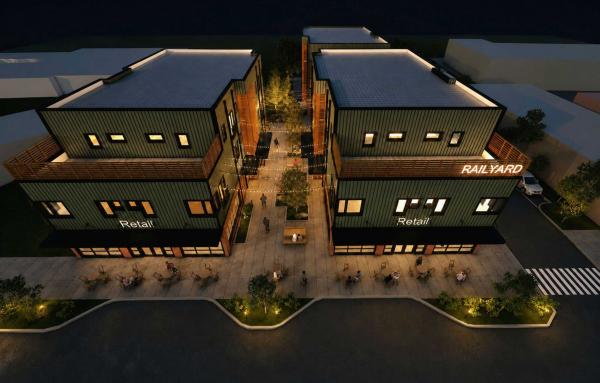
The Railyard in Lexington, Kentucky, is a case study in how a novice developer can take a significant project from concept to construction.

Author's note: My first visit to the Pantheon was fifty years ago. In the decades since, I have returned many times, and with each visit this extraordinary work of architecture and urbanism continues to reveal something new. I have drawn and studied...
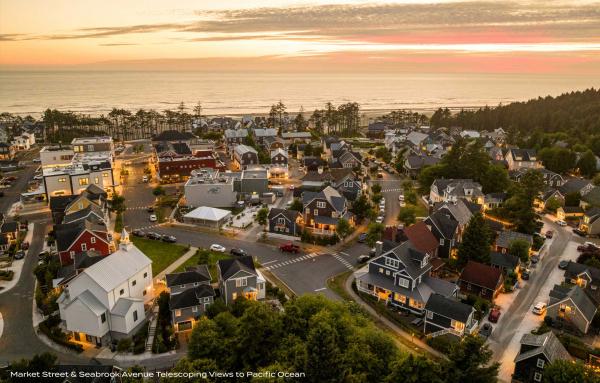
The requirement to be efficient and economical, and to minimize financial risk, has contributed to the character of the Charter Award Grand Prize-winning town of Seabrook.
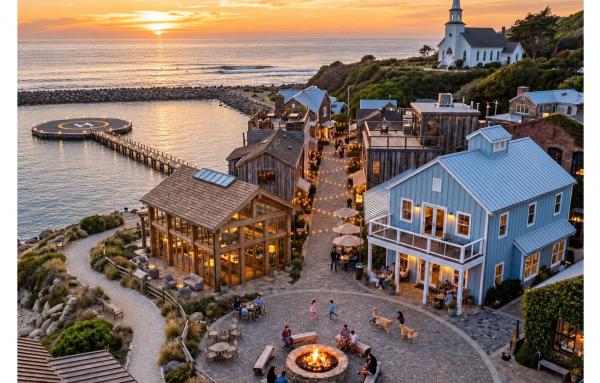
A transformative transportation technology, eVTOLs, is coming soon, which is the reason behind The Village Project.
Features
 Streets
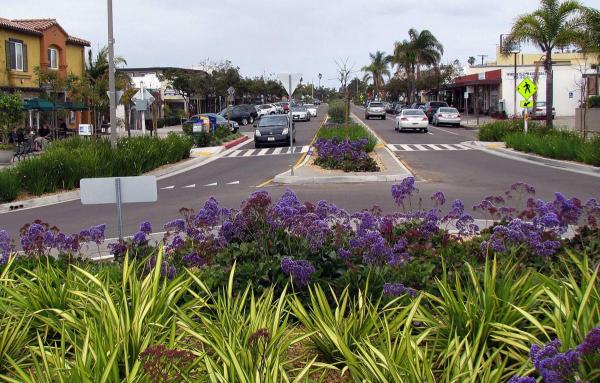
 Five scenarios that make street transformation possible
Why street design has not kept pace with automotive safety improvements, and what you can do about it.
 Transit, TOD
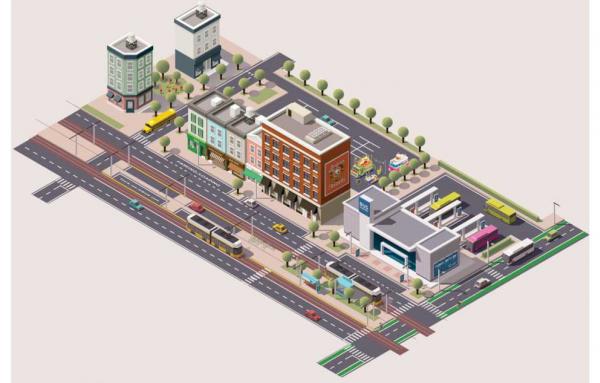
 Ten steps toward autonomous urbanism
Here's a playbook for municipal leaders and citizens on the road to smart city technology.
Better Cities & Towns Archive
Planning for a New Century: The Regional Agenda
Planning for a New Century: The Regional Agenda brings together 12 planners, urban designers, and educators to examine smart growth and livable...
The growing municipality of Pike Road outside
The growing municipality of Pike Road outside of Montgomery, Alabama, approved in August a version of the SmartCode that will operate parallel to...
Cisneros teams with builder on “urban villages”
Former HUD Secretary and major builder Kaufman and Broad join forces to construct housing in cities.
Prompted by the wave of revitalization...
Creative Community Builders Handbook
Tom Borrup, a Minneapolis-based consultant in nonprofit management, community development, and philanthropy, has written The Creative Community...
Great Ideas